8:32 AM
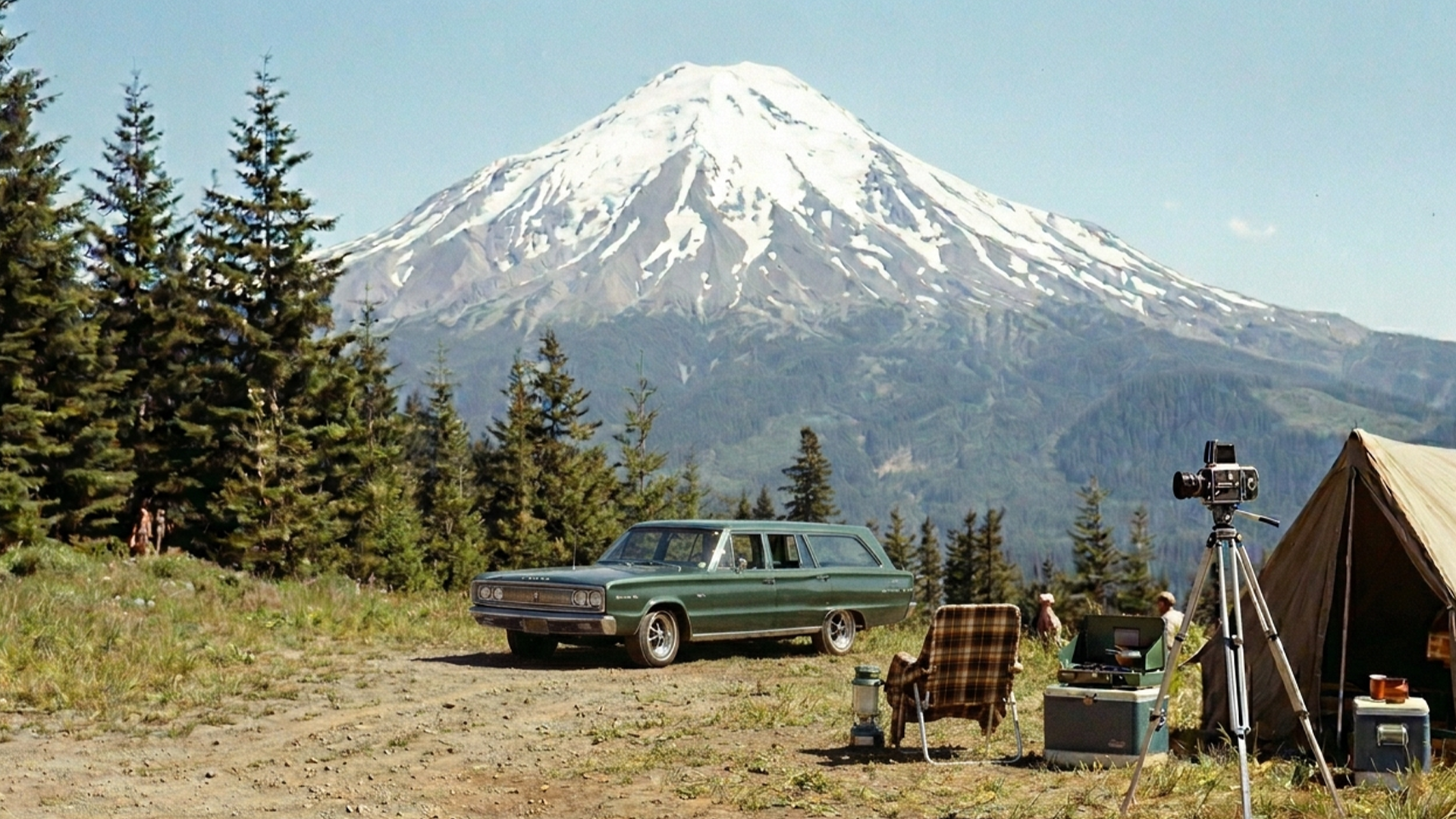
In the spring of 1980, Portland nature photographer Robert Landsburg began making regular trips to Mount St. Helens, which had awakened after more than a century of dormancy. He photographed the mountain through March and April as the eruptions intensified, setting up camp on the south fork of the Toutle River — legally, carefully, with his car facing away from the volcano. He saw it as a once-in-a-lifetime opportunity.
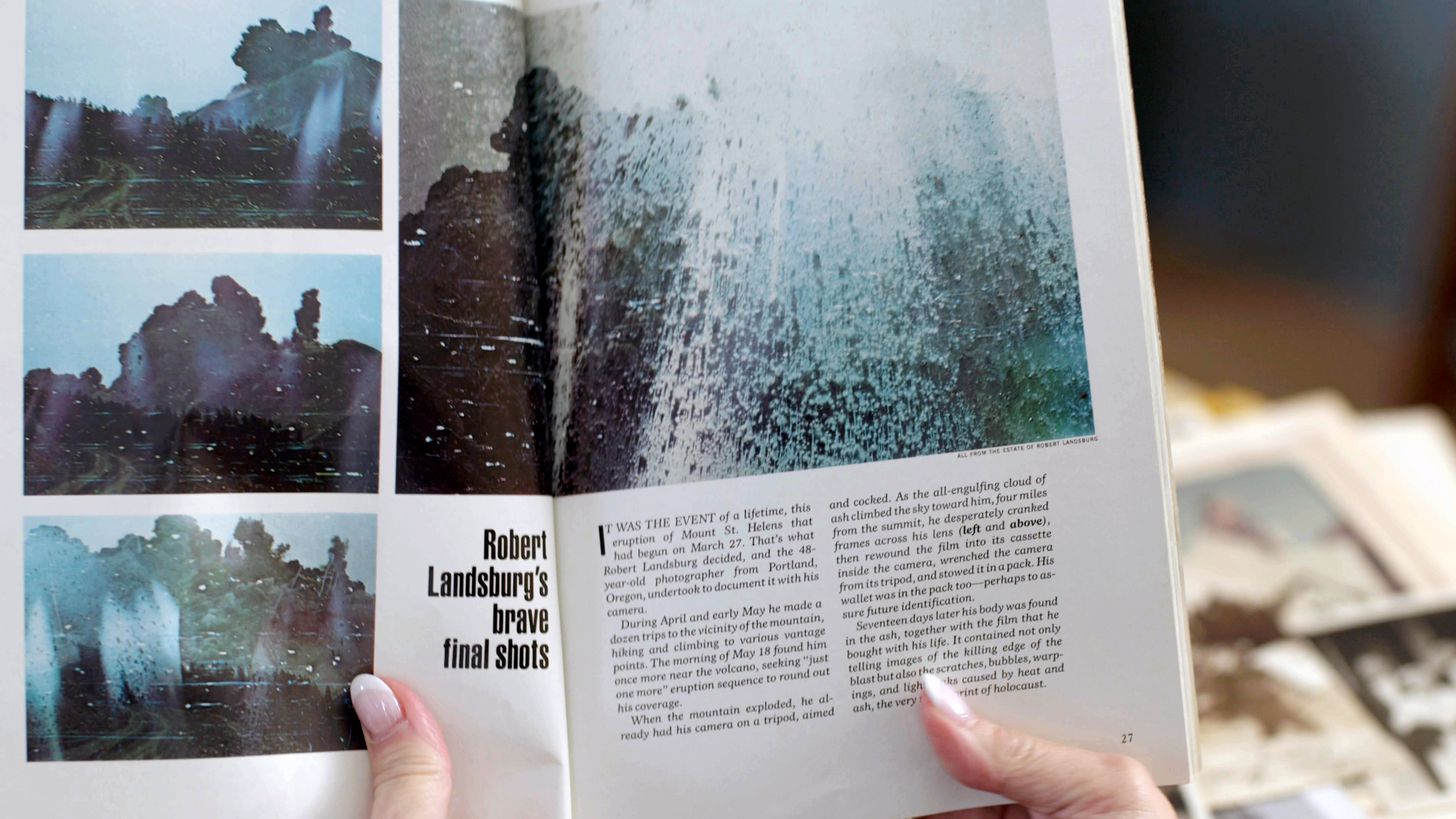
On May 18th at 8:32 AM, the eruption came laterally, in a way nobody had predicted. Landsburg had seconds. He fired off four photos, rewound his film into the camera, knocked the camera off the tripod, put it in his bag, and fell on top of it with his body to shield it from the ash hurricane. He died there. Seventeen days later, recovery teams found him exactly as he had fallen — camera beneath him, film intact. His four photographs were published in the January 1981 issue of National Geographic, the dream he had been chasing his entire career, achieved after his death.
8:32 AM is a hybrid short documentary built around Landsburg's journals, the testimony of people who knew him or witnessed his story, and recreation footage shot on 8mm film at the mountain. It is a film about what a person believes their work is worth — and what they are willing to leave behind to prove it.
This is the sizzle reel for 8:32 AM used to introduce story idea for further development into longer film project.
THE LAST PHOTOGRAPHS OF ROBERT LANDSBURG
DIRECTOR’S STATEMENT
I first learned about Robert Landsburg through an article I came across online that outlined his final moments on the mountain. I couldn't stop thinking about the specificity of what he did. He rewound his film and preserved it. That act—methodical, professional, and completely in character—tells you everything about who he was and what he believed his work was worth.
We are living through a moment when the question of what it means to make an image has never been more urgent. Artificial intelligence can now generate photographs of places no one has visited, of people who do not exist, at unlimited scale and with increasing indistinguishability from the real. In that context, Landsburg's final act takes on a meaning that goes well beyond the personal and historical. He chose to die protecting photographs that a human eye had composed, that a human hand had made, that a human being had been present to take. Those images are irreplaceable because of what they are: evidence that someone was there. A document of the real world, made by a real person, at the cost of everything he had.
His niece Jill Dutchess, who appears on camera holding his actual camera, says he wanted to leave a kind of card—I was here, I took these, these are mine. In 1980 that was a photographer's instinct. In 2026 it reads as something closer to a manifesto. We need these stories now because they remind us what is at stake when we stop making things with our own hands, our own eyes, our own bodies in the world.
The film is built around four people who knew Landsburg, saw him, or spent decades with his story, and around his journals—read in voiceover over 8mm recreation footage that degrades as the film moves toward the eruption.
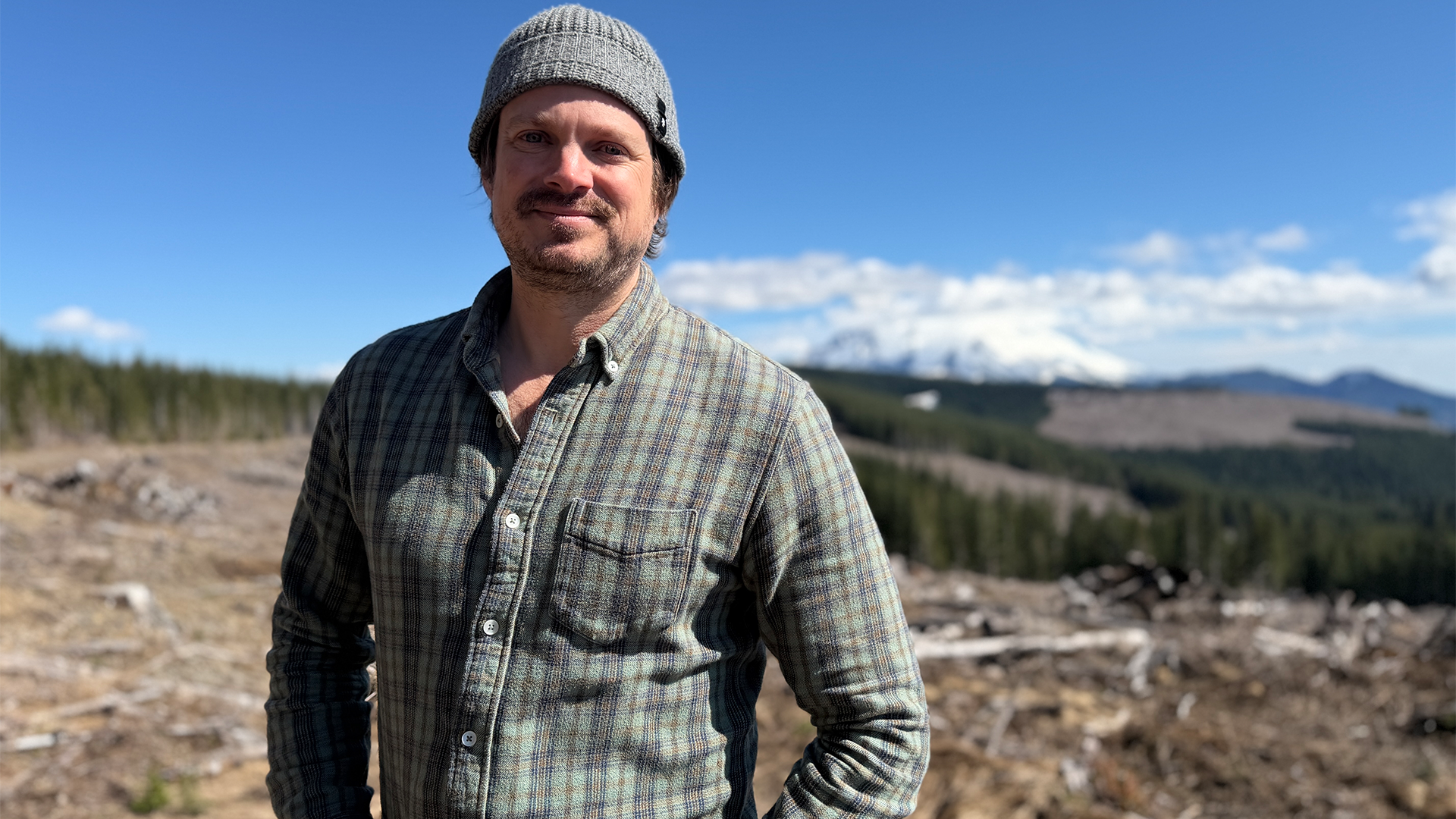
Marq Evans is an award-winning filmmaker based in Washington state. His film CAPTURING BIGFOOT premiered at SXSW in 2026. THE DIAMOND KING won Best of Fest at the Palm Springs International Film Festival in 2025. CLAYDREAM premiered at the Tribeca Film Festival in 2021 and was named one of the top 10 best documentaries of that year by A/V Club. His debut film, THE GLAMOUR & THE SQUALOR, premiered in 2016 and has been named one of the top 25 music documentaries of all time by American Songwriter.
BRAND OPPORTUNITIES
Production returns to Mount St. Helens this summer to shoot recreation sequences on 8mm film. A 1969 Dodge Coronet 500 wagon serves as the base vehicle — the same model Landsburg drove to the mountain. The subject is dressed in rugged, heritage-quality field garments. The mountain, the gear, the light, and the vehicle create a visual world that is cinematic, tactile, and entirely real.
The film's visual world is built around the things your customer already cares about: wilderness, analog craft, vintage vehicles, field cameras, camping gear, and the kind of person who goes to the mountain alone because they have to. The recreation footage is shot on 16mm film, which gives it a texture that no digital production can replicate. Every frame looks like a photograph worth keeping.
The right partner will shape what this looks like — wardrobe integration in the recreation shoot, co-branded content from the mountain, product placement woven into the film's visual world, or something else entirely. We’re open to collaboration and conversation.